









The word "gotra" means "lineage" in the Sanskrit language. Among those of the Brahmin caste, gotras are reckoned patrilineally. Each gotra takes the name of a famous Rishi or sage who was the patrilineal forebearer of that clan. And each Gotra is addressed by the suffix 'sa' or 'asa' as relevant.
The concept of Gotra was the first attempt among Brahmins to classify themselves among different groups. At the beginning, these gentes identified themselves by the names of various rishis (Angirasa, Atri, Gautam, Kashyapa, Bhrigu, Vasistha, Kutsa,and Bharadwaja; the first seven of these are often enumerated as Saptarishis). It is to be noted that Vishwamitra was initially a Kshatriya king, who later chose and rose to become an ascetic rishi. Hence the gotra was applied to the grouping stemming from one of these rishis as his descendants.
Many lines of descent from the major rishis were later grouped separately. Accordingly, the major gotras were divided into ganas (subdivisions) and each gana was further divided into groups of families. The term gotra was then frequently started being applied to the ganas and to the sub-ganas. chaturvedi and agnihotri both are come from Bhargava
Every brahmin claims to be a direct patrilinial descendant of one of the founding rishis of a certain gana or sub-gana. It is the gana or sub-gana that is now commonly referred to as gotra.
Over the years, the number of gotras increased due to:
Pravara is the number of the most excellent (-cf. reference, Sanskrit-English Dictionary, Monier-Williams) rishis who belonged to that particular gotra to which a person belongs. Gotra is the name of the founding father. In vedic ritual, the importance of the pravara appears to be in its use by the ritualist for extolling his ancestry and proclaiming, "as a descendant of worthy ancestors, I am a fit and proper person to do the act I am performing." The sacred thread yajnopavita worn on upanayana has close connection with the concept of pravaras related to brahmin gotra system. While tying the knots of sacred thread, an oath is taken in the name of each one of these three or five of the most excellent rishis belonging to one's gotra.
The full affiliation of a brāhamana consists of (1)gotra, (2)pravaras (3)sutra (of Kalpa), (4)shakha.
Main bharadwaj poojari of kali mandir in delhi are living in Chirag Delhi
(Example :) A brahmana named 'X' introduces himself as follows: I am 'X', of Shrivatsa gotra, of Āpastamba sutra, of Taittiriya shākha of Yajurveda, of five pravaras named Bhārgava, Chyāvana, Āpnavan, Aurva and Jāmdagnya (This example is based upon the example given by Pattābhirām Shastri in the introduction to Vedārtha-Pārijata, cf. ref.).
While the gotras were classified initially according to nine (?) rishis, the pravaras were classified under the names of the following seven rishis:
According to the listing of authors included in the verses in Rigved, the rishi Jamadagni was a descendant of rishi Bhrigu while the rishis Gautam and Bharadwaja were the descendants of rishi Angirasa. There were a group of rishis(well-known as yogi), they believed that, they are originated from lord shiva, successor of that rishis are under shiva gotra and well-known as rudraja brahmin.
The pravara identifies the association of a person with three or sometimes five of the above-mentioned rishis.
For example, Kashyapa Gothram has 3 rishis associated with it viz. Kashyapa, Daivala and Aavatsaara
1. Suryadhwaja: Lakhi (Mehrishi), Soral, Binju
2. Bharadwaja: Angirasa, Bruhaspatya (i.e. bruhaspati), Bharadwaja, Upreti
3. Rathitara: Baaryhaspatya, Angirasa, Rathitara
4. Vatula / Vadula: Bhargava, Vaitahavya, Saavedasa
5. Srivatsa / Vatsasya: Bhargava, Chyaavana, Aapnavaana, Aurva, Jaamadaghneya
6. Salankayana: Viswaamitra, Aghamarshana, Devarata
7. Shatamarshana: Angirasa, Powrukutsa, Traasatasya
8. Atreyasa: Atreyasa, Aarchanaasa, Syaavatsyasa
9. Kowsika: Vishwamitra, Aghavarshana, Kowsika
10. Kalabodhana/Kalabhavasa (3 variations)
11. Kalabodhana: Viswaamitra, AAgamarshana, Kalabodhana
12. Kalaboudha: Viswaamitra, AAgamarshana, Kalaboudha
13. Kalabhavasa: Viswaamitra, AAgamarshana, Kalabhavasa
14. Viswamitra: Viswamitra, Devarata, Owtala
15. Kaundinyasa (Kaundinya): Vasista,Maitraavaruna, Kaundinya
16. Haritasa: Angirasa, Ambarisha,Yuvanasva
17. Gautamasa: Angirasa, Aayasyasa, Gautama
18. Gautamasa 7 sages; gautama, ayasya, ousishya, oushaja, kankshvadana, bhriguridhdha,
vaamadava:krishna yajurveda tiettereeya saakha
19. Mowdgalya (3 Variations)
20. Angirasa, Bharmyasva, Mowdgalya
21. Tarkshya, Bharmyasva, Mowdgalya
22. Angirasa, Dhavya, Mowdgalya
23. Sandilya (4 Variations)
24. Kasyapasa, Aavatsaara, Daivala
25. Kasyapasa, Aavatsaara, Sandilya
26. Kasyapasa, Daivala, Asitha
27. Kasyapa, Aavatsaara, Dev, Naidruva (Naitruva), Rebha, Raibha , Sandila, Saandilya
28. Naitruvakaasyapa: Kasyapa, Aavatsara, Naitruva
29. Kutsa: Angirasa, Maandhatra, Kowtsa
30. Kanva (2 Variations)
31. Angirasa, Ajameeda,Kaanva
32. Angirasa, Kowra, Kaanva
33. Parashara: Vasista, Saaktya, Parashara
34. Agastyasa: Agastya, Tardhachyuta, Sowmavaha
35. Gargya/Garga (2 Variations)
36. Angirasa, Bharhaspatya, Bharadwaja, upadhyay
37. Angirasa, Sainya, Gaargya
38. Bhadarayana: Angirasa, Paarshadaswa, Raatitara
39. Kasyapa (3 Variations)
40. Kasyapa, Aavatsaara, Daivala, Marichi,
41. Kasyapa, Aavatsaara, Naidruva(Naitruva), Marichi
42. Kasyapa, Aavatsaara, Naidruva(Naitruva), Rebha, Raibha , Sandila, Saandilya
43. Sunkriti (2 Variations)
44. Angirasa, Kowravidha, Saankritya
45. Sadhya, Kowravidha, Saankritya
46. Angirasa, Pourukutsya, Thraasadasya
47. Gautamasa: Aangeerasa, ayasya, gowtama
48. AgniVaiwaswatha: Angirasa, Brahaspthayasa, Bharadwaja, Srukva, Agnivaiwaswathasa
49. Sankhyayana: Vishwamitra, Aghamarshana, Devaratha
50. Vishwamitra, Shraumita, Kaamakayana, Devatarasa, Devaraata, Panchashraya
51. Kapi: Angirasa, Amahaiya, Orukshaya,
52. Kapila: Angirasa, Amahaiya, Orukshaya,
53. Vartantu
54. Kutsasa: Angirasa, Mandhatha, Kutsa,
55. Kutchasa: Hatita, Ambarisha, Yuvanaswa, Mahandatha, Dharbapingala
56. Rauksaayana: Angiras, Mandhana, Madhuvachasa
57. Viswamitra: Viswamitra, AAgamarshana, lohitasya
58. Jamadagni: Bhargava, Chyavana, Aapnavaana, Aurava, Jaamadagneya
59. Bhargava: Bhargava, Tvashta, Vishvarupa
60. Lohitasa: Lohitasa, Ashtaka, Ambareesha
61. Vatsa: Orva, Bhardwaj, Bhargava, Chyavana, Aapnavan
62. Kapinjala: Vasista, Aindrapramada, Abharadwasavya
63. Aupamanavya: Vasista, Aindrapramada, Abharadwasavya
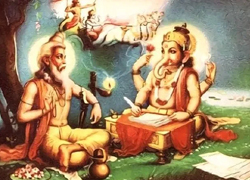



The following is a partial list of gotras found in the Brahmin community of Hindus:
Agastya
Atreyasa / Atri
Alambani
Angad
Angirasa
Ahabhunasa
Aupamanyava
Babhravya
Bharadwaj
Bhargava
Bhakdi
Bhaskara
Chandilya
Charora
Chikitasa
Chyavana
Dalabhya
Darbhas
Dev
Dhananjaya
Dhanvantari
Galvasaya
Garga
Gautamasa
Gaubhilya
Ghrit kaushika
Harita / Haritasa
Hukman Bhal
Jamadagni
Jatukarna
Kalabodhana / Kalaboudha / Kalabhavasa
Kamakayana Vishwamitra
Kanva
Kaushikasa
Kapi
Kapil
Kapinjala
Karmani
Kashyapasa
Kaundinyasa
Kaunsh
Kaushal / Kaushalas / Kushal
Kaushik / Koshik / Koushik, Kushika / Ghrit kaushika
Kaustubha
Kausyagasa
Krishnatriya or Krishnatreeya
Kundina Gowtama
Kusha
Kutsa
Kutsasa
Lakhi
Lohit
Lohita-Kowsika
Lomasha
Mandavya
Marichi
Markandeya
Mauna Bhargava
Matanga
Maudgalya Moudgalya
Mudgala (Maudgalya, Moudgil, Modgil, Mudgal)
Mudgal
Mihirayan
Naidhruva
Nithunthana / Naithunthasa
Nydravakashyapa
Nrisimhadevara
Parashara
Parthivasa
Pouragutsya
Punagashella
Ratheetarasa
Purang
Pradnya
Rathitara
Rohinya
Rauksaayana
Saminathen
Sanatana
Salankayana
Sangar
Sanaka
Sanaga
Sanjaya
Sankhyayana
Sankrithi (Sankrityayan)
Sankyanasa
Sathamarshana
Kavist
Katyayana
Shandilya, sanas
Sandilyasa
Shandelosya
Saawarna
Saharia Joshi
Sauparna
Savaran
Savita
Somnasser
Pratanansya
Saankritya (Sakarawar)
Soral
Srivatsa
Sumarkanth
Suryadhwaja
Shaktri
Shaunaka
Sravanvaitas
Surya
Swatantra Kabisa
Tugnait
Roushayadana
Upadhyay
Upmanyu (Upamanyu)
Upreti
Vadula
Valmiki
Vardhviyasa
Vardhulasa
Vardhyswasa
Vashishta
Vatsa
Vatsyayan
Veetahavya
Vishnu
Vishnuvardhana
Vishnuvruddha
Valmiki
Vishvagni
Yaska
Vaidya / Baidya
Vartantu
Vishwagni
Utsasya
Suparna
Shiva
kuvera
Although people belonging to the same gotra are, in theory, related to each other patrilineally, and belong to the same Brahmin caste, there may be very little else in common between them. In fact, as per the Vedic system, a man and a woman belonging to the same gotra are considered to be a brother and sister, and hence, a marriage between a man and a woman belonging to the same gotra (known as sa-gotra) is forbidden as it will cause anomalies in the progeny that come out of such a marriage. A married woman takes up the gotra of her husband. The fact that people belong to a certain gotra says nothing about their domicile, original place of residence, mother tongue or family occupation, which can be known from than lower lever classification below gotra: pravaras, sutra (of Kalpa), shakha and Haritash,Indoria, Kavist
1. Brahmin communities Some of the brahmins having Gautam Gotra and Tripravara- as Gautam Angiras and Barhaspatya, are reisiding in Kumaon hills.
2. Pravaras
3. Gotra
4. Maithil Brāhamana
1. A History of Brahmin Clans (Brāhmaṇa Vaṃshõ kā Itihāsa) in Hindi, by Dorilāl Śarmā,published by Rāśtriya Brāhamana Mahāsabhā, Vimal Building, Jamirābād, Mitranagar, Masūdābād,Aligarh-1, 2nd ed-1998. (This Hindi book contains the most exhaustive list of Brahmana gotras and pravaras together their real and mythological histories).
2. Vedārtha-Pārijata by Swāmi Karpātri, Published by Sri Rādhā Krishna Dhanuka Prakāshan Sansthan, Calcutta, 1979; (Sañchālakas: Vedasāstra Research Centre, Kedārghat, Vārānasi)


